With the rapid growth of the photovoltaic industry, the solar street light sector has also benefited significantly. Facing the vast rural lighting market in China, more and more manufacturers are targeting this gap and continuously improving the industry's offerings. As the era of smart IoT (Internet of Things) connectivity unfolds, an increasing number of hardware products are being equipped with intelligent features, providing consumers with a wider range of choices.
The intelligent implementation of solar street lights is achieved through the seamless integration of traditional solar street light architecture with IoT and wireless communication technologies. This enables remote backend data monitoring and management, providing real‑time visibility into the operating status of each solar component (street light, PV panel, battery, and controller). It allows you to monitor product usage of end‑customers thousands of miles away without leaving your office, and also manage light on/off schedules, brightness levels, and runtime adjustments remotely.
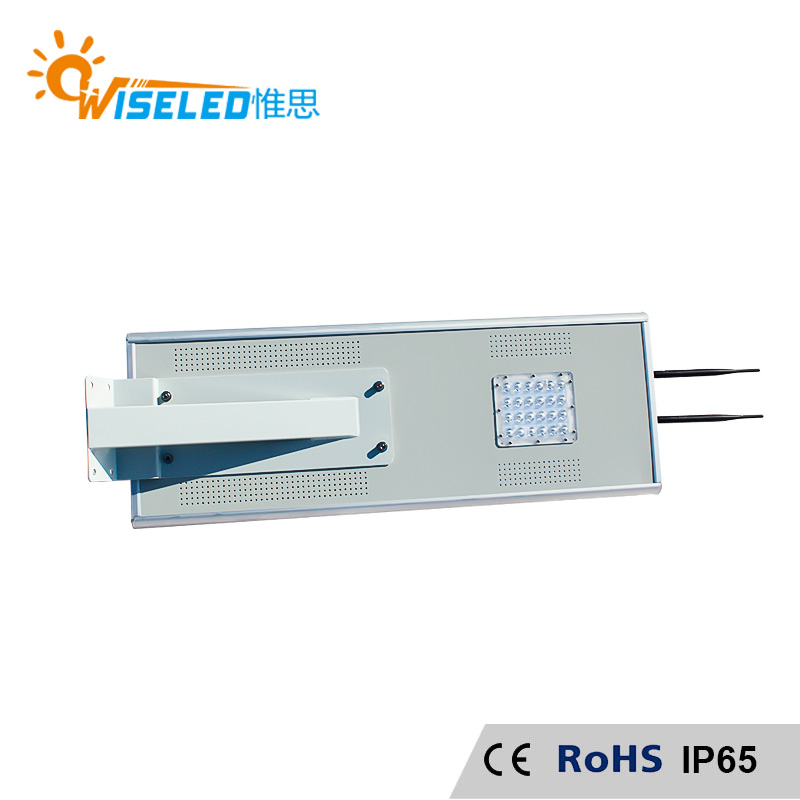
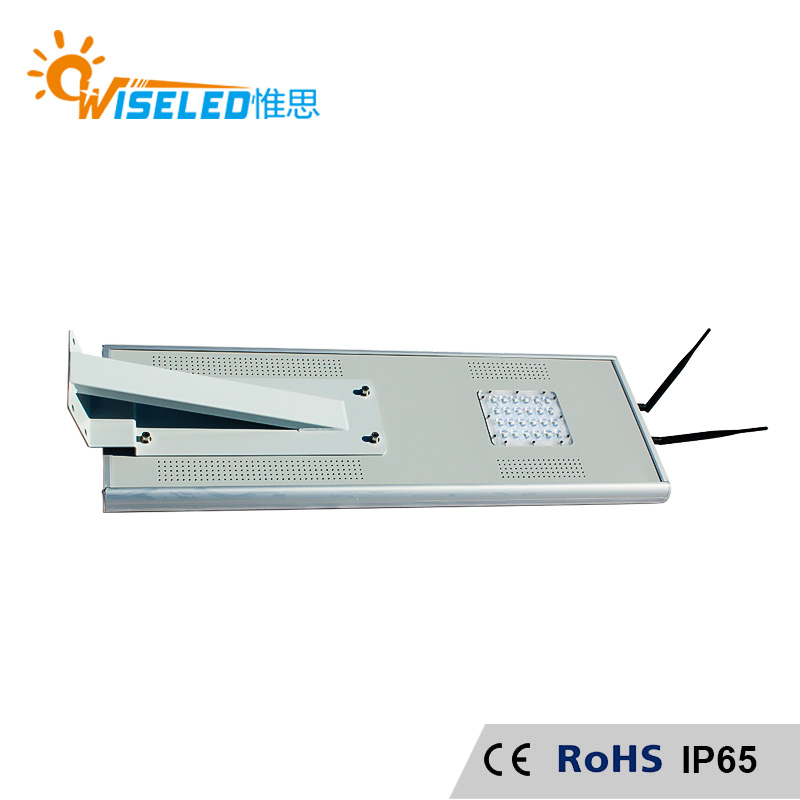
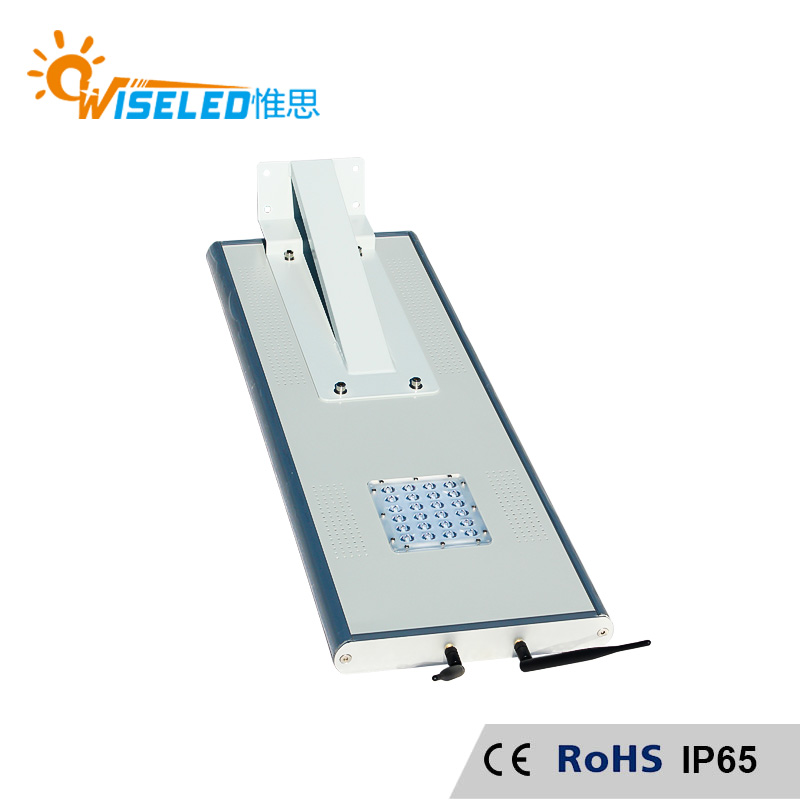
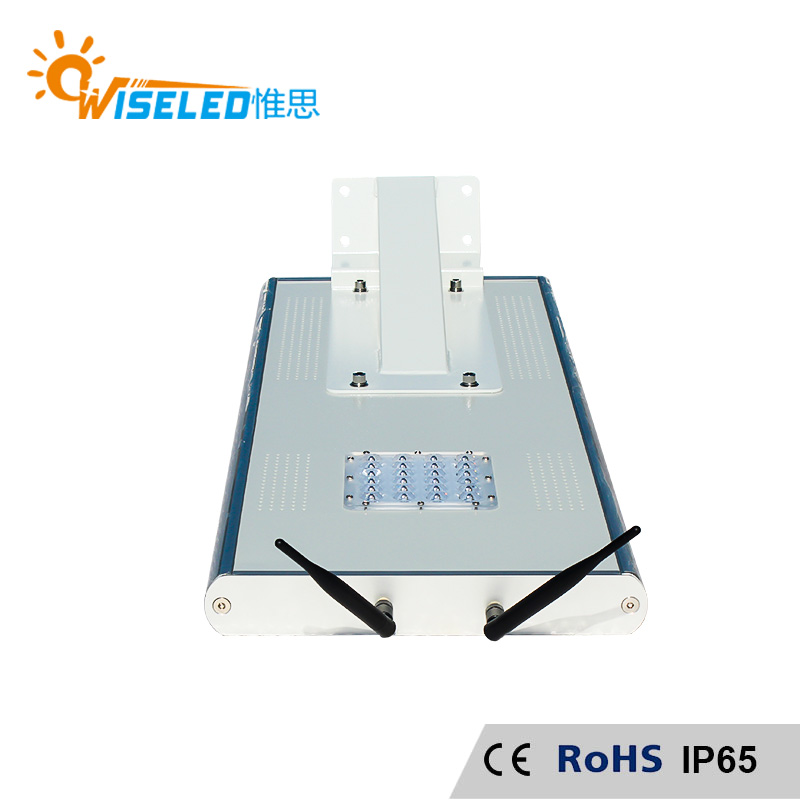
The IoT solar street light management system primarily consists of street light components, a central controller, single‑light controllers, and a smart cloud platform. The central controller and single‑light controllers communicate via LoRa wireless networking to aggregate data from each light to the central controller. This data is then uploaded to the cloud platform via GPRS, providing data support for access via mobile and desktop devices.
1. The lithium‑battery solar IoT street light is a wireless solar street light management system that features simple installation and easy maintenance, effectively addressing issues such as inconvenient management and high maintenance costs associated with traditional solar street lights.
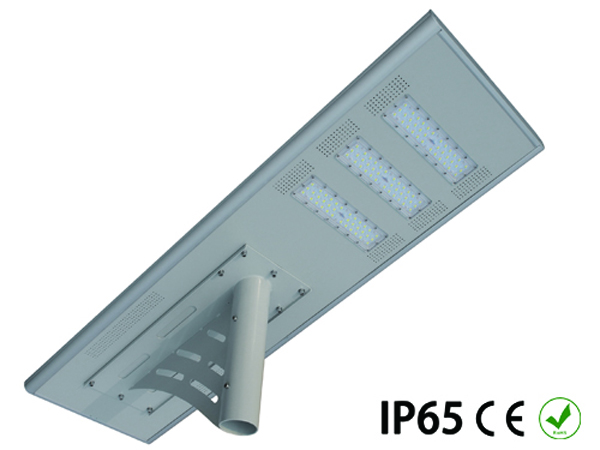
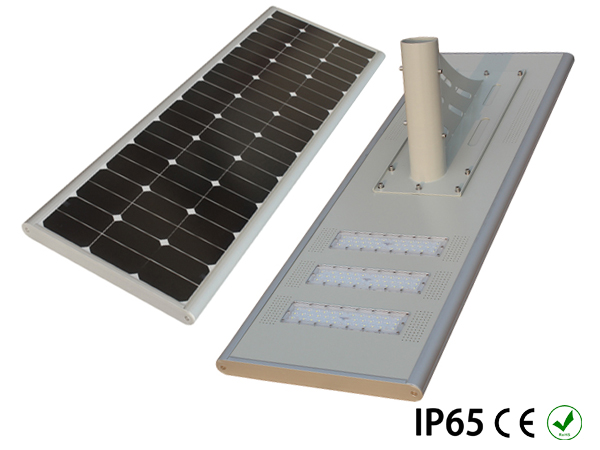
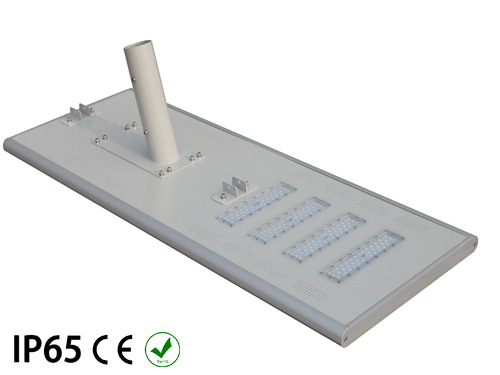
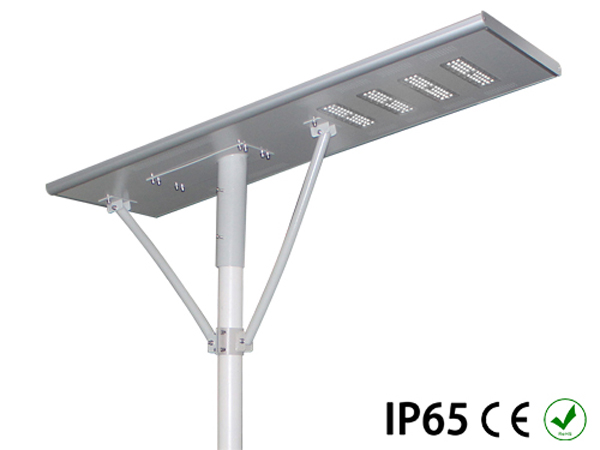
2. The system is composed of a pole, PV module, LED light, lithium‑battery system, wireless module, gateway, GPRS base station, and backend management system.
3. The backend system management center connects to intelligent terminals and GPRS base stations via wireless networks. The GPRS base stations connect to multiple gateways through the GPRS network, and the gateways in turn connect to multiple wireless modules via wireless terminal modules, thereby controlling the IoT street lights.
4. The wireless module of the solar street light intelligent management system communicates using the 2.4GHz frequency band.
5. The wireless IoT solar street light intelligent lighting control system leverages IoT and wireless communication technologies to support manual control, timed control, light‑sensing control, dimming, and charge/discharge management. It enables real‑time data monitoring and operational status tracking of street light equipment. Through the centralized management center and wireless modules, the system achieves unified control, delivering remote monitoring, real‑time supervision, intelligent management, and energy‑saving benefits.
 Chinese
 English



 Wise Lighting Hotline
+86 130 5853 2903
Wise Lighting Hotline
+86 130 5853 2903