Chinese
 English
 【Origin Pic】 |
|
|
|
-
+86 130 5853 2903
+86 130 5853 2903
|
|
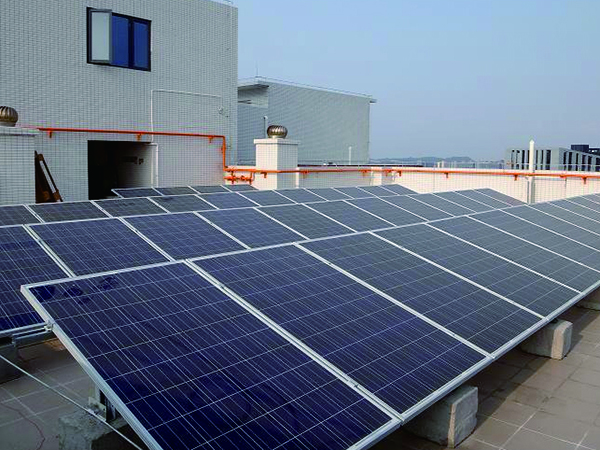
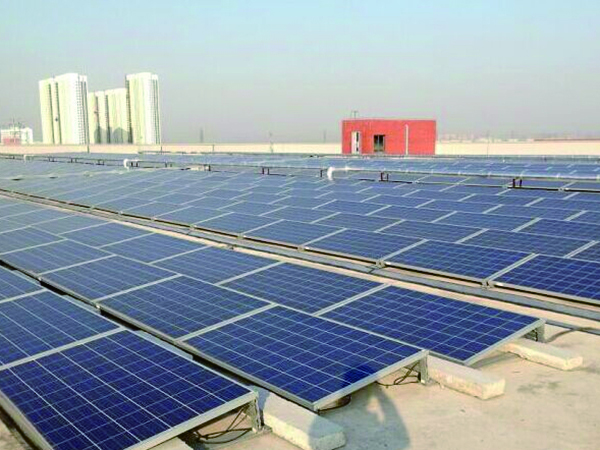
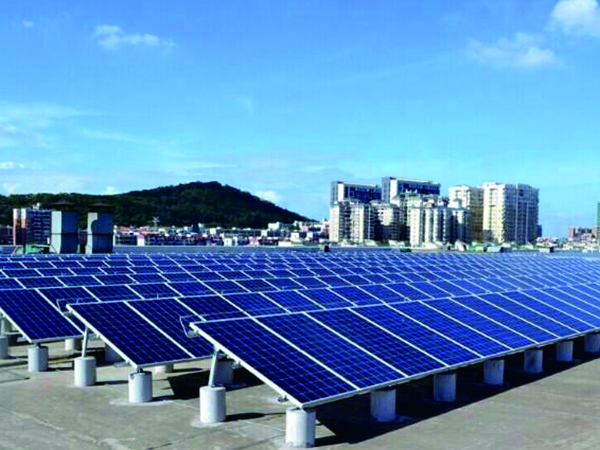
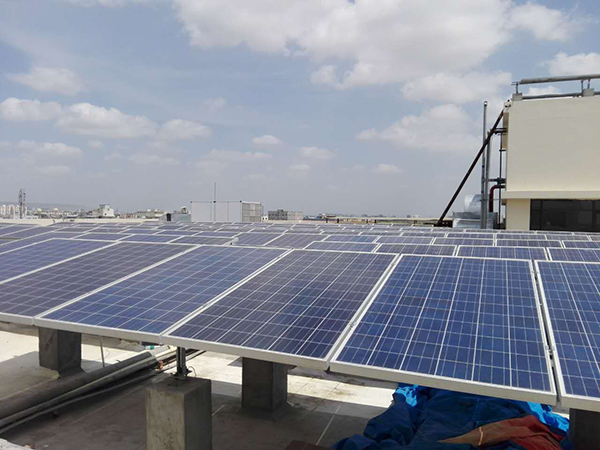
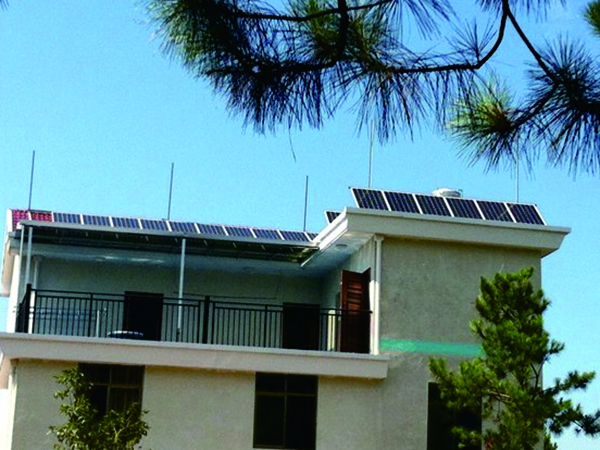
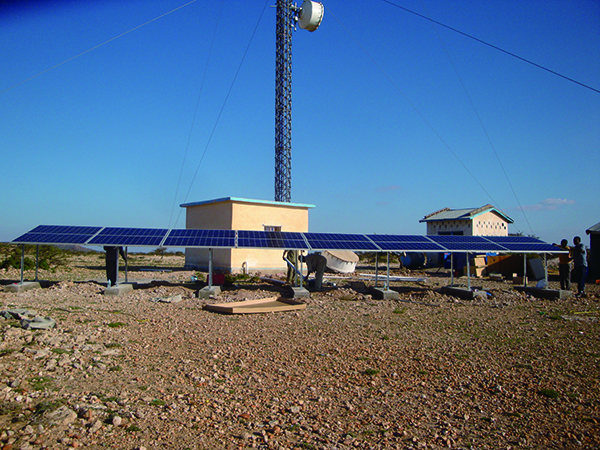
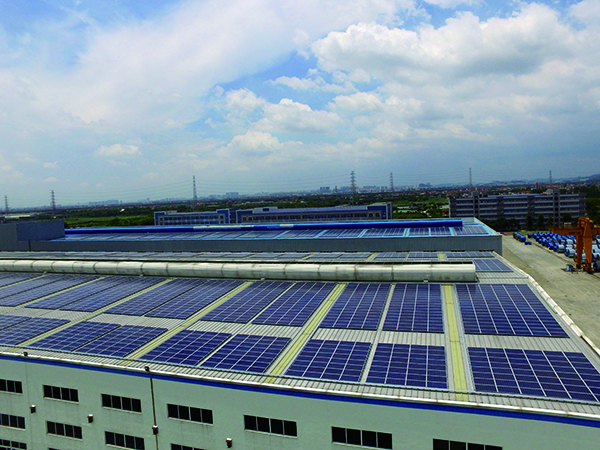
Distributed photovoltaic (PV) power generation refers specifically to a distributed generation system that uses PV modules to convert solar energy directly into electricity. It is a new type of power generation and comprehensive energy utilization method with broad development prospects. It follows the principles of generating electricity close to the point of use, connecting to the grid locally, converting power on-site, and utilizing it nearby. This approach not only effectively increases the power output of PV plants of the same scale but also significantly reduces transmission losses during voltage step‑up and long‑distance transportation.
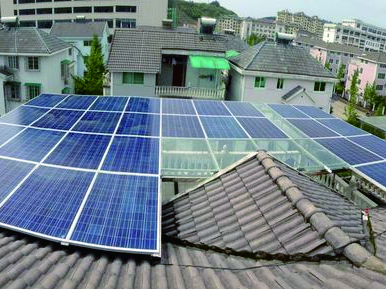
Residential distributed PV power generation offers the following features: 1. Government‑backed promotion and support programs. The Dongguan Development and Reform Commission has issued the "Opinions on Further Accelerating the Development of Distributed PV in Our City." The Dongguan Development and Reform Bureau released the "Notice on Organizing the Application for Dongguan Distributed PV Power Generation Subsidy Funds for 2017‑2018." The National Development and Reform Commission issued opinions on implementing PV poverty alleviation projects. China Southern Power Grid has promoted distributed solar PV generation through public awareness campaigns. Various local subsidy policies in Guangdong, along with national PV promotion documents, are boosting the development of residential distributed PV projects. 2. Low pollution and outstanding environmental benefits. Distributed PV power generation produces no waste, pollution, or noise during operation, and has no adverse environmental impact, making it an ideal clean energy source. 3. Can effectively alleviate local peak‑load power shortages to some extent. Distributed PV systems can relieve local power strain during peak demand periods in residential areas or in high‑consumption neighborhoods and industrial parks. 4. Enables self‑consumption, effectively reduces electricity bills, and allows surplus power to be sold to the grid, offering high investment returns. During the day, power generated is used on‑site, and excess electricity is sold to the grid, effectively reducing peak‑time electricity costs. The initial investment can be recouped within a few years, followed by nearly 20 years of pure returns — with no more electricity bills and continuous energy production. The government has issued a series of policies to promote PV development, and PV equipment is eligible for national project subsidies and feed‑in tariff incentives. 5. Simple operation and maintenance. Distributed PV systems have no moving parts, are not prone to damage, and are easy to maintain, making them particularly suitable for unattended operation. A residential distributed PV grid‑connected system mainly consists of the following components: A. Solar PV modules B. Grid‑tied inverter C. Distribution panel (switchgear) D. Bi‑direction meter E. Public utility grid A. Solar PV modules: These are the core components of the PV system, responsible for converting solar energy into DC electricity. B. Grid‑tied inverter: This device converts DC power into AC power. Since the electricity generated by PV modules is DC, while most loads in actual use are AC loads, this device is required to convert DC into AC for load use. C. Distribution panel (switchgear): Also known as a distribution cabinet, it is equipment for centralized power distribution, switching, and allocation. D. Bi‑direction meter: A meter capable of measuring both electricity consumption and generation. E. Public utility grid: The public power grid. |
Room 302, Building 1, No. 36 Ditangling Road, Datang, Dalingshan Town, Dongguan City, Guangdong Province, China



 Wise Lighting Hotline
+86 130 5853 2903
Wise Lighting Hotline
+86 130 5853 2903